

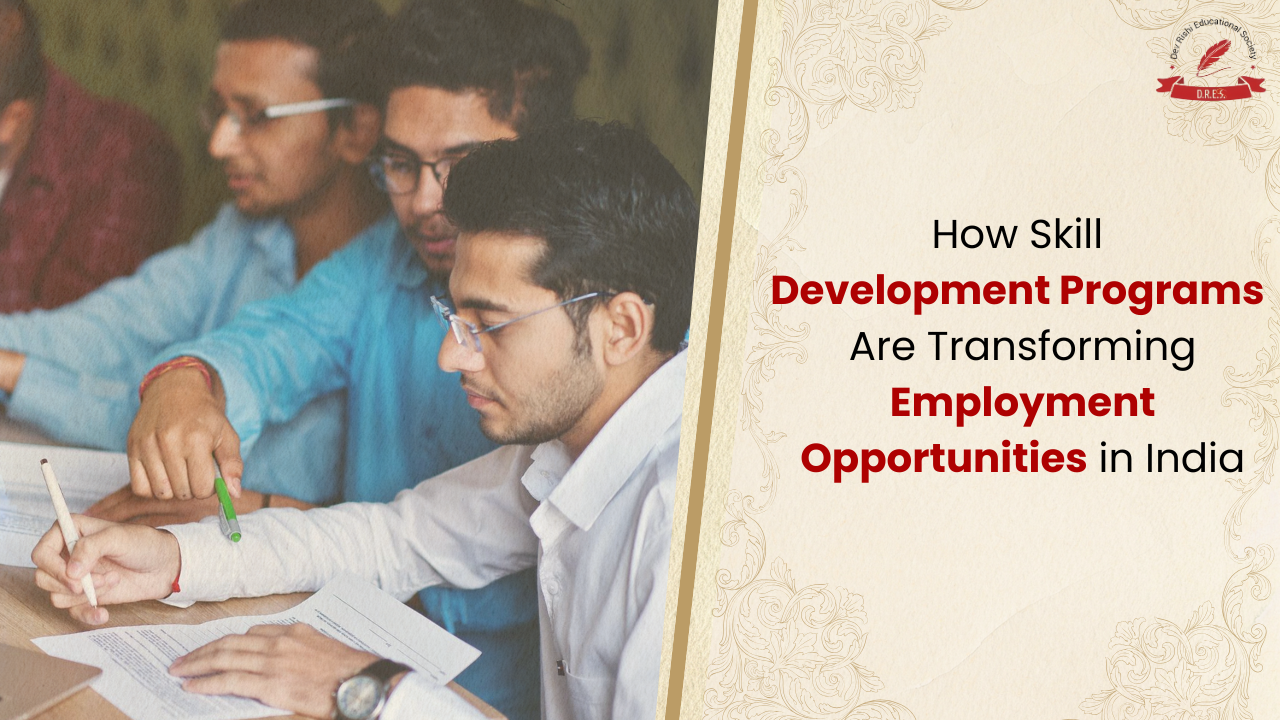
How Skill Development Programs Are Transforming Employment Opportunities in India
Introduction
India is home to one of the largest youth populations in the world. Every year, millions of young individuals enter the job market with aspirations of building stable careers and supporting their families. However, a significant gap continues to exist between academic learning and industry requirements.
This gap often results in unemployment or underemployment, especially among youth from rural and semi-urban backgrounds.Skill development programs are emerging as a powerful solution to this challenge.
By focusing on practical training, industry exposure, and employability skills, these programs are reshaping how individuals prepare for the workforce.
The Growing Need for Skill Development in India
Traditional education systems largely emphasize theoretical knowledge. While this builds a foundation, it does not always equip individuals with job-ready skills. Industries today require candidates who can adapt quickly, communicate effectively, and perform specific tasks with confidence.This is where skill development programs play a crucial role. They bridge the gap between knowledge and application by providing hands-on training in sectors such as hospitality, retail, information technology, healthcare, and manufacturing.In a country where unemployment is not just about the lack of jobs but also about the lack of relevant skills, structured training becomes essential.
How Skill Development Programs Improve Employability
Skill development initiatives are designed to prepare individuals for real-world challenges. They go beyond classroom teaching and focus on practical learning.
Key ways these programs improve employability include:
1. Industry-Aligned Curriculum: Training modules are developed based on current industry standards. This ensures that learners acquire skills that are actually in demand.
2. Practical Exposure: Instead of only theoretical sessions, candidates receive hands-on training. This builds confidence and reduces the fear of entering a professional environment.
3. Soft Skills and Communication: Many candidates struggle not because they lack technical knowledge, but because they lack communication and interpersonal skills. Skill programs address this gap through personality development sessions.
4. Placement Support: Structured programs often include placement assistance, helping candidates connect with employers and secure jobs.
Impact on Rural and Semi-Urban Youth
One of the most significant contributions of skill development programs is their reach in rural areas. Many young individuals in these regions have limited access to higher education or formal job networks.
Through localized training centers, residential programs, and community outreach, skill development initiatives are enabling rural youth to participate in the formal economy. This not only improves individual livelihoods but also strengthens local economies.
Challenges in Skill Development Implementation
Despite their potential, skill development programs face several challenges:
^ Lack of awareness among communities
^ Mismatch between training and local job opportunities
^ Limited access to quality training infrastructure
^ Difficulty in tracking long-term employment outcomes
Addressing these challenges requires structured implementation, continuous monitoring, and collaboration between institutions, government bodies, and industry stakeholders.
The Role of Structured Training Models
Successful skill development programs follow a structured approach. This includes proper candidate selection, standardized curriculum delivery, continuous assessment, and post-placement tracking.Such models ensure that training does not end at certification but continues until the candidate is successfully placed and stabilized in employment.
Long-Term Benefits of Skill Development
The impact of skill development extends beyond employment. It contributes to:
/ Economic growth through increased productivity
/ Reduction in poverty levels
/ Empowerment of youth and women
/ Development of a skilled workforce aligned with national priorities
Over time, this creates a more balanced and sustainable development ecosystem.
Conclusion
Skill development programs are not just training initiatives; they are pathways to transformation. By equipping individuals with practical skills, confidence, and opportunities, these programs are reshaping the employment landscape in India. Across different regions, structured interventions have demonstrated how focused training, combined with institutional support and industry linkage, can lead to meaningful livelihood outcomes.
Development organizations such as Dev Rishi Educational Society (DRES) continue to demonstrate how structured training, community engagement, and industry linkage can translate into meaningful livelihood outcomes, especially for youth from underserved regions.
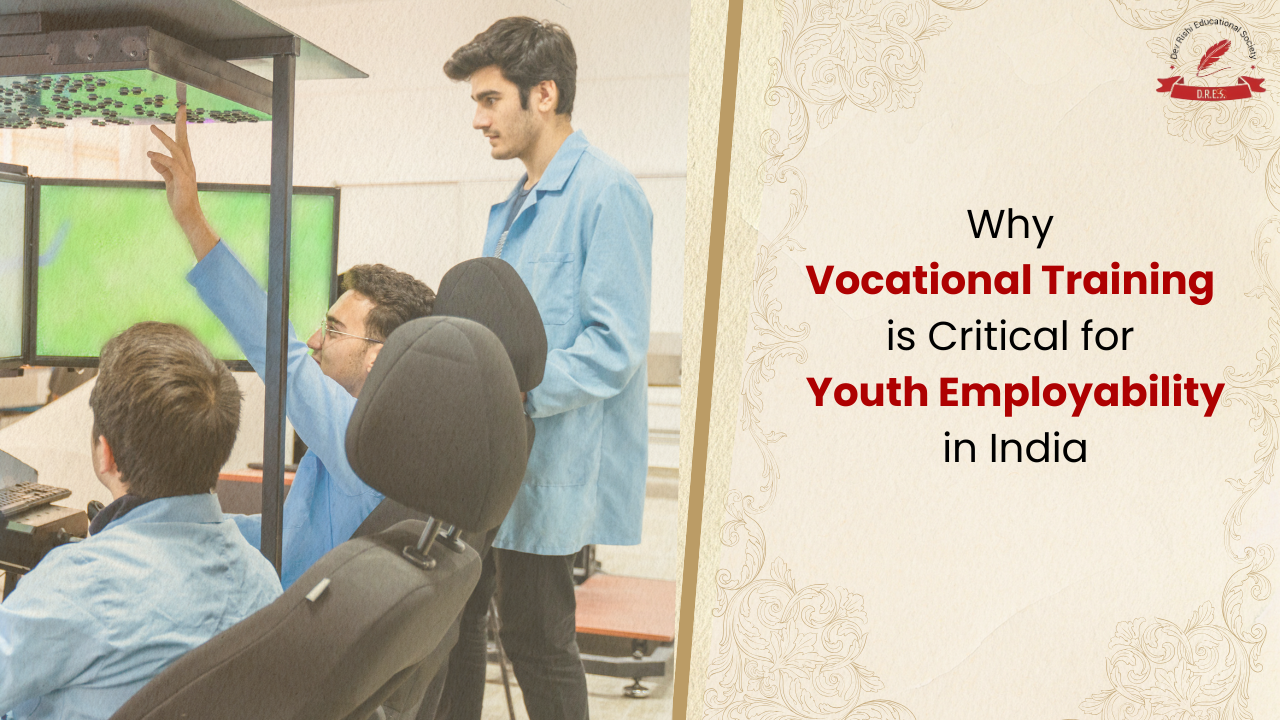
Why Vocational Training is Critical for Youth Employability in India
Introduction
India stands at a unique demographic advantage, with a rapidly growing youth population that has the potential to drive economic progress for decades to come. However, this opportunity also brings a significant responsibility. The challenge is not just to educate youth, but to ensure they are employable.
A large number of young individuals complete formal education each year, yet many struggle to secure stable employment. The reason is simple but critical. Academic knowledge alone is often not enough.
What industries require today is practical skill, adaptability, and job readiness. This is where vocational training becomes essential.
Understanding Vocational Training
Vocational training focuses on equipping individuals with specific skills required for particular trades or industries. Unlike traditional education, it emphasizes practical learning, hands-on experience, and direct application.Sectors such as hospitality, retail, healthcare, construction, beauty and wellness, and information technology rely heavily on vocationally trained professionals. These industries need individuals who can perform tasks efficiently from day one.Vocational training bridges the gap between learning and doing.
Why Traditional Education Alone is Not Enough
The current education system in many parts of India still follows a theory-heavy approach. While this builds conceptual understanding, it does not always prepare students for real-world job environments.Common gaps include:
- Lack of practical exposure
- Limited industry interaction
- Weak communication and soft skills
- No structured transition into employment
As a result, even qualified individuals often feel unprepared when entering the workforce. This mismatch leads to unemployment, underemployment, and frustration among youth.
How Vocational Training Improves Employability
Vocational training directly addresses the limitations of traditional education by focusing on skill-based learning.
1. Hands-On LearningLearners are trained in real or simulated work environments, allowing them to understand practical challenges and solutions.
2. Industry-Relevant SkillsTraining programs are designed in alignment with current market needs, ensuring that skills remain relevant and in demand.
3. Faster Entry into WorkforceVocational courses are usually shorter and more focused, enabling quicker transition into employment.
4. Development of Soft SkillsCommunication, teamwork, discipline, and workplace behavior are integrated into training modules.
5. Increased ConfidencePractical exposure builds confidence, which plays a crucial role during interviews and job performance.
Importance for Rural and Semi-Urban Youth
Vocational training plays an even more critical role in rural and semi-urban areas. Many individuals in these regions do not have access to higher education or professional networks.Skill-based training provides them with a direct pathway to employment or self-employment. It reduces migration pressure, promotes local economic activity, and enables individuals to become financially independent.For many families, this becomes a turning point that improves overall quality of life.
Vocational Training and Economic Growth
A skilled workforce is essential for any country’s development. When individuals are trained and employed productively, it leads to:
1. Increased household income
2. Higher productivity across industries
3. Reduction in poverty levels
4. Strengthening of local economies
Vocational training contributes not only to individual success but also to national economic growth.
Challenges in Expanding Vocational Training
Despite its importance, vocational training still faces several challenges:. Social perception that favors traditional degrees. Lack of awareness about training opportunities. Inconsistent quality across training providers. Limited industry linkage in some regions. Addressing these challenges requires coordinated efforts from institutions, government bodies, and development organizations.
The Way Forward
To fully leverage the potential of vocational training, there is a need for:
* Stronger industry partnerships
* Standardized training frameworks
* Focus on quality and outcomes
* Continuous monitoring and evaluation
* Awareness campaigns to change perception
When implemented effectively, vocational training can become one of the most powerful tools for employment generation in India.
Conclusion
Vocational training is not just an alternative to traditional education; it is a necessity in today’s evolving job market. By focusing on practical skills, industry alignment, and employability, it provides a clear pathway from learning to earning.
Across different regions, institutions like Dev Rishi Educational Society (DRES) reflect how structured vocational training initiatives, combined with community outreach and industry linkage, can create meaningful employment opportunities and long-term livelihood outcomes for youth.
From Training to Placement: What Makes Skill Development Programs Effective
Introduction
Skill development programs have become a central part of India’s strategy to address unemployment and improve workforce readiness. However, not all training programs lead to meaningful outcomes. While many individuals receive certification, only a portion successfully transition into stable employment.
This raises an important question. What actually makes a skill development program effective?
The answer lies not just in training delivery, but in the complete journey from enrollment to employment.

Understanding the Training-to-Placement Gap
One of the most common challenges in skill development initiatives is the gap between training completion and job placement. Many programs focus heavily on classroom sessions but fail to create a structured pathway toward employment.Common issues include:
@ Limited industry exposure
@ Lack of placement support
@ Weak communication and soft skills
@ No post-training tracking
As a result, candidates often remain uncertified job seekers rather than becoming employed professionals.
Key Elements of an Effective Skill Development Program
To ensure real impact, skill development programs must go beyond training and focus on outcomes.
1. Industry-Aligned Curriculum
An effective program begins with understanding industry requirements. Courses should be designed in consultation with employers to ensure relevance and demand.
2. Practical and Hands-On Training
Theoretical learning alone cannot prepare individuals for workplace challenges. Practical sessions, lab-based training, and simulations are essential for building real skills.
3. Soft Skills and Workplace Readiness
Communication, time management, teamwork, and professional behavior are critical for success in any job role. These must be integrated into the training process.
4. Placement Facilitation
Strong employer networks and placement drives are necessary to connect candidates with job opportunities. This is where many programs fall short.
5. Post-Placement Support
Tracking candidates after placement helps ensure job retention and career growth. It also provides valuable feedback to improve future programs.
The Role of Training Infrastructure
Quality infrastructure plays a major role in the effectiveness of skill development programs. Residential training facilities, well-equipped labs, and structured learning environments create a professional atmosphere that enhances learning outcomes. Such environments also help candidates adapt to workplace culture before entering actual jobs.
Importance of Candidate Selection
Another critical factor is selecting the right candidates. Training programs are most effective when participants are genuinely motivated and aligned with the course objectives.
Proper counseling and orientation at the beginning help set clear expectations and improve completion and placement rates.
Industry Linkages: The Backbone of Placement
No skill development program can succeed without strong industry connections. Employers need to trust the quality of training, and training institutions need to understand employer expectations.Regular interaction with industry partners ensures:
* Updated curriculum
* Internship opportunities
* Better placement outcomes
This alignment is what transforms training into employment.
Measuring Success Beyond Certification
Certification is often treated as the end goal of training programs, but true success lies in employment outcomes. Effective programs measure:
- Placement rates
- Job retention
- Income improvement
- Career progression
These indicators provide a clearer picture of real impact.
Challenges in Implementation
Even well-designed programs face challenges such as:
1) Variations in training quality
2) Limited access in remote areas
3) Social and economic barriers for candidates
4) Employer expectations versus candidate readiness
Addressing these requires a structured and adaptive approach.
The Way Forward
To make skill development programs truly effective, there must be a shift from input-based models to outcome-based systems. This means focusing not just on how many people are trained, but how many are successfully employed and retained.Collaboration between training providers, government bodies, and industry stakeholders will play a key role in strengthening this ecosystem.
Conclusion
The effectiveness of a skill development program is defined not by the number of certificates issued, but by the number of lives transformed through meaningful employment. A well-designed system ensures that every stage, from training to placement, is aligned with real-world needs.
Across various regions, efforts led by organizations such as DRES illustrate how structured implementation, industry linkage, and continuous support can bridge the gap between learning and livelihood, creating sustainable employment pathways for individuals.
Top Challenges in Skill Development Initiatives in India (And Practical Solutions)
Introduction
Skill development has become a national priority in India, with multiple initiatives aimed at improving employability and workforce readiness. While the intent and scale of these programs are commendable, their effectiveness often varies across regions and sectors.
Despite significant investments and policy support, several challenges continue to limit the full potential of skill development initiatives. Understanding these challenges and addressing them through practical solutions is essential for achieving long-term impact.

The Reality Behind Skill Development Programs
On paper, skill development programs promise employment, empowerment, and economic growth. However, the ground reality often reveals gaps between planning and execution. Many candidates complete training but struggle to find jobs. Others secure employment but fail to retain it due to lack of preparedness. These outcomes highlight systemic issues that need closer attention.
Key Challenges in Skill Development Initiatives
1. Mismatch Between Training and Industry Needs
One of the most common issues is the disconnect between what is taught and what industries require. Training programs sometimes follow outdated curricula that do not reflect current market demands.
Solution: Regular industry consultation and curriculum updates are essential to ensure relevance.
2. Limited Focus on Soft Skills
Technical training alone is not enough. Many candidates lack communication skills, confidence, and workplace etiquette, which affects their performance during interviews and on the job.
Solution: Integrating soft skills and personality development into training modules can significantly improve employability.
3. Weak Placement Linkages
Some programs focus heavily on training but do not provide strong placement support. Without employer connections, candidates are left to navigate the job market on their own.
Solution: Building long-term partnerships with industries and organizing placement drives can bridge this gap.
4. Inconsistent Training Quality
Training quality varies widely across institutions. Factors such as trainer capability, infrastructure, and monitoring systems influence outcomes.
Solution: Standardization, trainer certification, and regular assessments can help maintain quality.
5. Lack of Awareness Among Beneficiaries
In many rural and semi-urban areas, individuals are not fully aware of available training opportunities or their benefits.
Solution: Community outreach, awareness campaigns, and local engagement are critical to increasing participation.
6. Dropout Rates and Motivation Issues
Some candidates enroll in training programs but do not complete them due to financial pressure, lack of interest, or unclear expectations.
Solution: Proper counseling before enrollment and continuous engagement during training can improve retention.
7. Post-Placement Challenges
Even after securing jobs, candidates may face difficulties such as workplace adjustment, relocation issues, or lack of support systems.
Solution: Post-placement tracking and mentorship can help candidates sustain employment.
The Importance of a Structured Approach
Addressing these challenges requires more than isolated interventions. It calls for a structured, end-to-end approach that covers:
- Candidate selection
- Training delivery
- Industry alignment
- Placement support
- Post-placement follow-up
Programs that adopt this comprehensive model tend to deliver better and more sustainable outcomes.
Role of Collaboration in Strengthening Programs
No single entity can address all challenges alone. Collaboration between government agencies, training institutions, industry partners, and development organizations is essential.
Such partnerships help in:Sharing resourcesImproving training qualityExpanding reachEnhancing credibility
Moving Towards Outcome-Based Models
There is a growing need to shift from input-based approaches to outcome-based systems. Instead of measuring success by the number of individuals trained, the focus should be on:
> Employment rates
> Job retention
> Income improvement
> Career progression
This shift will ensure that skill development initiatives create real and measurable impact.
Conclusion
Skill development remains one of the most powerful tools for addressing unemployment and promoting economic growth in India. However, its success depends on how effectively challenges are identified and addressed.
Ground-level experience increasingly shows that structured implementation, strong industry linkage, and continuous support systems make a significant difference. Organizations like Dev Rishi Educational Society (DRES) demonstrate how practical, field-oriented approaches can strengthen programme outcomes and ensure that training translates into sustainable livelihoods.
How Livelihood Programs Help Build Sustainable Income in Rural India
Introduction
Rural India forms the backbone of the country’s economy, yet a large portion of its population continues to face challenges related to income stability and employment opportunities. While agriculture remains a primary source of livelihood, it is often seasonal and vulnerable to external factors such as climate and market fluctuations.
In this context, livelihood programs play a crucial role in creating alternative and sustainable income sources. These initiatives are designed not only to provide earning opportunities but also to build long-term economic resilience within communities.

Understanding Livelihood Programs
Livelihood programs focus on enabling individuals and communities to generate income through structured interventions. These may include skill training, entrepreneurship development, access to financial resources, and market linkages.Unlike short-term employment schemes, livelihood initiatives aim to create systems that continue to generate income over time. The focus is on sustainability, scalability, and community participation.
Why Sustainable Income Matters
Income generation is not just about earning money; it directly impacts multiple aspects of life, including:
Access to education | Healthcare and nutrition | Living standards | Social dignity and independence
For rural households, a stable income source reduces vulnerability and enables long-term planning. It allows families to invest in better opportunities for the next generation.
Key Components of Effective Livelihood Programs
Successful livelihood initiatives are built on a combination of strategic components.
1. Skill Development and Capacity Building
Individuals are trained in specific trades or activities that can generate income. This includes both technical skills and basic financial literacy.
2. Entrepreneurship Support
Encouraging self-employment is a major focus. Individuals are supported in starting small businesses or expanding existing ones.
3. Promotion of SHGs and Community Groups
Self-help groups play a vital role in collective growth. They enable resource sharing, financial access, and mutual support.
4. Market Linkages
Without access to markets, income generation remains limited. Livelihood programs connect producers with buyers, ensuring fair pricing and demand.
5. Cluster-Based Development
Working in clusters improves efficiency, increases production capacity, and enhances bargaining power.
Role of Rural Business Incubators
Business incubators in rural areas provide structured support to emerging entrepreneurs. They offer guidance, training, mentorship, and sometimes access to funding.This reduces the risk associated with starting a business and helps individuals build confidence in their entrepreneurial journey.
Impact on Communities
Livelihood programs create ripple effects that go beyond individual beneficiaries.
* Increased household income
* Reduced migration to urban areas
* Strengthening of local economies
* Empowerment of women and marginalized groups
When multiple individuals within a community start earning, it leads to overall economic development.
Challenges in Livelihood Development
Despite their potential, livelihood programs face several challenges:
Limited access to finance
Lack of market awareness
Infrastructure constraints
Skill gaps in specific sectors
Addressing these requires continuous support, monitoring, and adaptation to local conditions.
Importance of Long-Term Engagement
Livelihood development is not a one-time intervention. It requires sustained engagement with communities. Continuous training, mentorship, and market support are essential to ensure that income sources remain stable and grow over time. Programs that focus only on initial setup without follow-up often fail to deliver lasting impact.
The Way Forward
To strengthen livelihood initiatives in India, there is a need to:
Integrate skill development with entrepreneurship
Improve access to credit and financial services
Strengthen market linkages
Promote innovation in rural enterprises
Encourage community participation
A holistic approach that combines these elements can create a strong foundation for sustainable livelihoods.
Conclusion
Livelihood programs are not just economic interventions; they are instruments of empowerment. By enabling individuals to earn with dignity and independence, these initiatives contribute to long-term social and economic transformation.
Across various regions, institutions such as Dev Rishi Educational Society (DRES) reflect how structured livelihood models, combined with entrepreneurship support and community engagement, can create sustainable income opportunities and strengthen rural economies over time.